
Can Rice Water Kill Your Plants?
Many gardeners are resorting to homemade techniques, such as leftover rice water, as natural substitutes for synthetic fertilizers.
Minimizing the use of chemicals and water? Looks like a winning idea! But is feeding plants rice water actually a good idea?
How does rice water for plants affect them? A modest number of healthy vitamins and minerals can be found in rice water, and the high starch content can fuel good soil microbes. But rice water can also encourage noxious bacterial growth in the soil, which can cause serious fungal problems in plants that depend on organic matter for growth.
The leftover water from cooking or soaking rice will have some impact on your plants and soil (but not always for the better).
Discover the advantages and disadvantages, practical applications, and alternatives to rice water by reading on.
How to Use Rice Water for Plants: A Guide
Although recycling used rice water has benefits, constantly feeding your plants with it might not be the greatest idea. Let’s find out a little more…
Are Fertilizers Like Rice Water?
Since NPK (nitrogen, phosphorus, and potassium) are present in very tiny amounts in rice water, balanced fertilizer should still be used to meet all of your plants’ requirements.
Rice Water After Boiling vs. Rice Water From Washing/Soaking
You can use leftover rice cooking water or soak raw rice grains to let them swell and enrich the water, but the water from boiled rice will be somewhat more advantageous.
Rice is stripped of its outer layers by soaking, including the hull and bran, the latter of which can be used as efficient mulch.
When compared to boiling the rice, this approach extracts less nutrition from the water because heat helps to drain out more macro- and micronutrients.
 Benefits of Rice Water for Plants
According to exotic plant farmer Ben B of Seattle Garden Fruit, “the starch is the important ingredient in rice water. It feeds the beneficial bacteria Lacto Bacilli which helps feed healthy mycorrhizal fungi – strengthening plant roots and making them more disease-resistant to illness.”
When combined with more potent organic fertilizers, the low NPK level may also help crops grow.
Using rice water for plants: Drawbacks
For your plants, the carbohydrates in the starch are a double-edged sword since they can:
- soil hardening
- entice insects that feed on starch, such as ants and spiders.
- Leave behind a bad odor (rice water ferments within days in high temperatures).
- Give harmful soil microorganisms nourishment.
- overpowering plants (most root systems cannot absorb carbohydrates).
Finally, considering the limited amount of nutrients offered, making and storing rice water would not be worthwhile.
Rice water and plant toxicity
For plants that need a densely organic substrate, such as vegetables, orchids, and many other blooming plants, rice water fermentation in the soil can hasten the decomposition of organic soil mediums like moss and bark and cause root rot and other fungal problems.
Water Nutrients in Rice
B6 and B12 are abundant in rice water that has been soaked (the former protects plants against cell death, but plants neither make nor require B12).
On the other hand, boiled rice water includes magnesium and zinc in addition to vitamins B, C, and E.
Together, these effects boost stem development, encourage brighter foliage, and safeguard photosynthetic tissues.
Fermented Water from Rice
Uncooked rice is soaked in water, sugar, and milk to create fermented rice water, which is then kept in a sealed container for a number of days.
The sour alcohol-like scent may deter some garden pests, while the sugars provide food for soil microbes.
 Which Plants Could Profit From Rice Water?
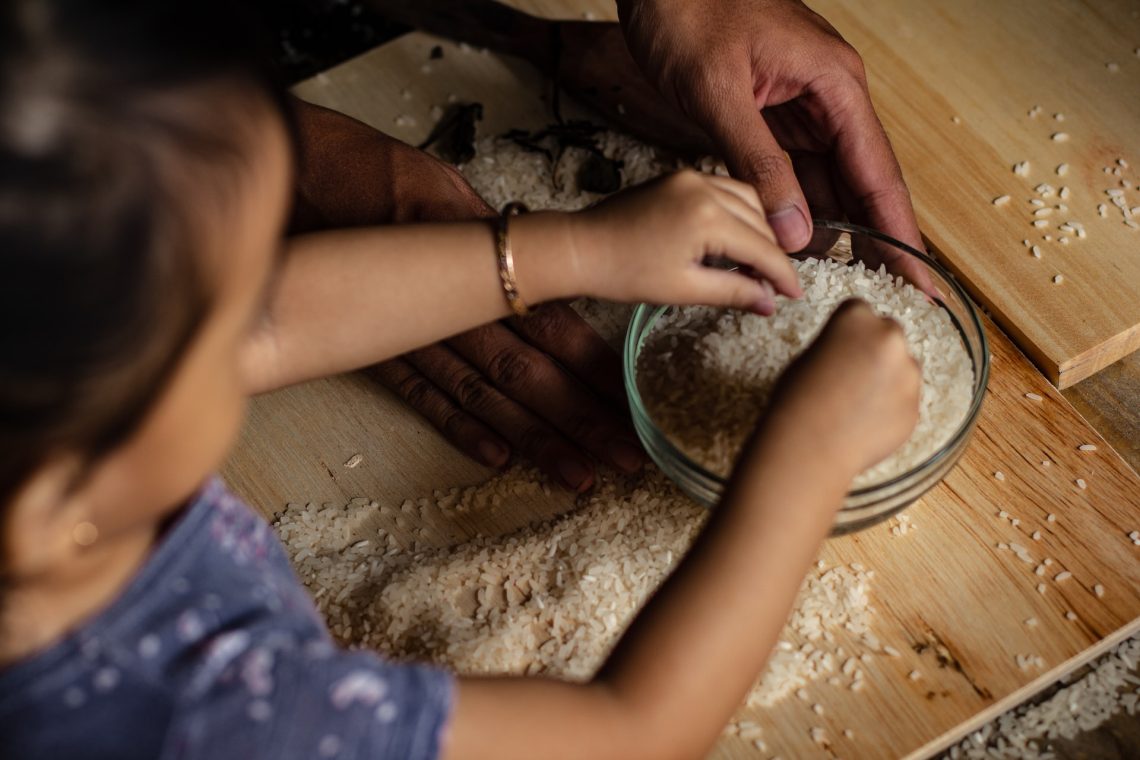
A gray bowl contains water and rice.
Although a 2021 study on its impacts indicates that the benefits are still primarily anecdotal and unscientific at this moment, rice water’s vitamins may help the majority of indoor and garden plants.
How Frequently Can You Water Plants with Rice Water?
Because of its high carbohydrate content and soil-hardening properties, rice water should only be used once every two to three weeks or less frequently.
If you do utilize it, it is ideal to do so at the seedling stage of your plants is when they are most active and in need of a gentle boost.
How long does rice water last when used for plants?
Since rice water doesn’t contain any additional preservatives, it can spoil quickly if left out at room temperature, but if kept in the refrigerator in a well closed container, it can keep up to 5-7 days.
How to Water Plants with Rice Water
You can spritz your indoor plants with soaked or cooked rice water that has been cooled to room temperature, add it to the soil of your outdoor plants, or water them from the top.
Just pour the rice water that has been sieved into a mister, spray bottle, or watering container.
To ensure that the nutrients are fully absorbed by the soil and roots of indoor plants and outdoor container plants, you might also employ the bottom watering technique.
Simply put potted plants in a tray or dish of rice water, with drainage holes in the base, and let it sit for 15 to 20 minutes. After that, let the pots totally drain.
- List of Rice Water Substitutes
- clear vinegar
- Coconut liquid
- potato liquid
- a green tea
- organic tea
- Tea for worm casting
- Seaweed latte
- Stevia tea
- Toadstool tea
Related inquiries:
Can plants benefit from pasta water?
Yes, the starch and healthy minerals found in cooked pasta water aid to promote growth and serve as an additional fertilizer.
Use only unsalted pasta water; using salted water can destroy your plants. Also, let boiling water cool before using it on plants to prevent shock.
Does Bone Broth Help Plants?
Yes, bone broth can be used as a natural and efficient form of fertilizer for plants because it is a good source of the crucial macronutrient phosphorous.
If you’re producing root vegetables, bone broth is advised since phosphorus aids in the promotion of strong root development. Additionally useful is dry bone meal.
Final Reflections
Although rice water is known to nourish healthy soil microorganisms and includes certain essential nutrients for plants, there isn’t enough solid evidence to prove that it is an effective plant food.
Although you could notice a difference in growth, rice water is ultimately better for your skin and hair than for your plants.

